What makes outdoor lounge furniture suitable for wet areas?
Outdoor lounge furniture suits wet areas when its materials shed water, dry quickly, resist sun damage, and stay stable on a damp pool deck. The best pieces do not simply tolerate rain or splashes. They are shaped and built so water has somewhere to go, and so the surfaces people touch do not stay soaked for hours.
Wet areas are tougher than ordinary patios. A chaise lounge near water may face splashing, wet swimsuits, rain, humidity, cleaning products, and constant UV exposure. Each of those can affect a different part of the furniture. Frames can weaken, feet can trap water, fabric can hold mildew, and pale surfaces can fade or become brittle. Suitability comes from the whole design, not from one waterproof label.
Material choice comes first
Resin material is a common choice for outdoor lounging because it does not absorb water the way untreated wood can. That matters around a pool, where furniture may be wet many times a week. Nonporous surfaces allow water to bead and run off, then dry once air moves across them. They also make cleanup simpler, since dirt and sunscreen sit on the surface rather than soaking in.
Resin also has trade-offs. Some lower quality plastics can become chalky, warped, or cracked after long UV exposure. Better outdoor resin is formulated for sun and moisture, with color mixed through the material or protected by a finish designed for exterior use. When comparing poolside lounge chairs, look beyond the shape and ask whether the material is meant for outdoor exposure, not just indoor or occasional use.
Metal can also work near water when it has a protective finish and joints that resist corrosion. Aluminium is light and does not rust in the same way steel can, though hardware still matters. Steel frames need a durable coating, and any chip can become a weak point. Wood brings a warm look, but it needs sealing and drying time. In a consistently wet zone, it asks for more care than many people want to give.
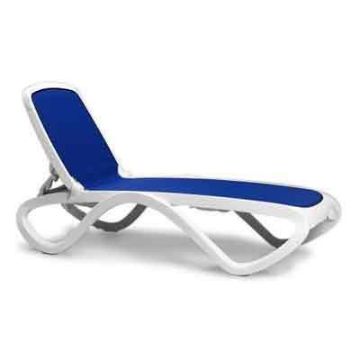
Water drainage is part of the design
A lounge can be made from water resistant material and still perform poorly if water collects in it. Good wet area furniture has open pathways for water to leave. Slatted seating, raised mesh, spaced panels, and framed openings all help. The idea is simple: rain and splashes should pass through or run off instead of sitting against the surface.
Check the underside as carefully as the top. Flat trays, deep recesses, and hollow sections with no outlet can hold water. That standing water can encourage stains, algae, or mildew, and it adds weight where the frame least expects it. Feet and caps should not form little cups. If a piece has adjustable parts, the joints should still allow water to escape after a shower or a heavy splash.
Drainage also affects comfort. A seat that dries faster is ready sooner. That is useful in a busy outdoor space where furniture is moved, wiped, and reused. It is also practical in humid climates, where damp surfaces can linger long after the rain stops.
Stability matters on a wet pool deck
Wet paving can be slick, so the geometry of the base matters. A lounge with a wide stance feels more secure than one with narrow legs close together. Rounded or capped feet help protect the deck, while textured contact points can reduce sliding. The aim is not a chair that feels heavy in every situation, but one that stays composed when the ground is damp and people sit down or stand up.
Reclining pieces deserve extra attention. A reclining position changes the center of balance, especially when someone leans back suddenly. The frame should feel steady through the full range, not only when upright. Hinges and adjusters should hold their setting without slipping under body weight. On wet ground, a loose mechanism is more than a minor annoyance.
Seat height also plays a quiet role. Very low seating can trap moisture around the frame and make the lounge harder to get in and out of when surfaces are wet. A moderate seat height gives water more chance to clear and makes movement easier. This is worth considering for public or shared spaces, where a wide range of people use the same furniture.
Cushions and soft parts need a plan
Soft furnishings often decide how practical a lounge feels in a wet area. Outdoor cushions can add comfort, but they need covers that resist water and dry reasonably fast. Closed cell foam is less likely to hold water than ordinary cushion foam. Covers should be easy to remove, since a wet cover left stretched over a cushion can trap moisture underneath.
Seams, zippers, and piping are worth checking. Dense stitching can slow drying, and hardware can scratch surrounding surfaces if it rubs during use. Fabric that drapes to the ground may wick moisture back up. A better arrangement leaves air moving beneath the cushion and lets the furniture frame drain freely.
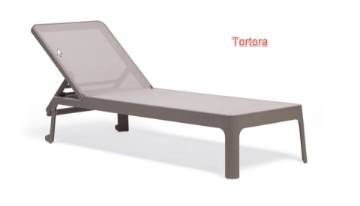
Some settings work best with no loose cushions at all. Molded resin seating can be shaped for comfort and cleaned with a cloth. It may not feel as soft as a padded lounge, but it avoids the repeat task of moving cushions aside before it rains. The right choice depends on how much comfort matters compared with how much maintenance is realistic.
Finish, color, and sun exposure
Wet areas are often bright areas. Water reflects light, and lounges may sit in open sun for long stretches. UV exposure can fade color, weaken exposed edges, and make some surfaces rough. Furniture used beside water needs both moisture resistance and sun resistance. One without the other tends to age unevenly.
Light colors can feel cooler in direct sun, but they may show dirt from hands, sunscreen, or pool products. Dark colors can hide some marks but may become hotter to touch. Frames with consistent color throughout can look more uniform if minor scuffs appear. Painted or coated pieces depend more heavily on the quality of the finish.
Edges are a useful place to look. Sharp corners, thin lips, and exposed cut ends are more likely to catch damage. Rounded edges tend to wear more gracefully and are more comfortable around bare feet. In a pool setting, small design choices like this have practical value.
Cleaning and everyday care
Furniture for wet areas should be easy to rinse and wipe. Smooth surfaces help, but access matters too. If dirt collects under arms, around fasteners, or inside frame channels, cleaning becomes a chore. Pieces that can be moved by one person are easier to shift when the deck needs washing or the furniture needs to dry in the sun.
Routine care still counts. Splash marks, sunscreen, and leaves can sit on a lounge and hold moisture against the surface. A quick wipe now and then is usually more effective than waiting for stains to set. Harsh cleaners can damage finishes, so the safest approach is to follow care guidance for the specific material. If a piece has a damaged frame, a sinking foot, or a mechanism that no longer locks, stop using it until it can be repaired or replaced.
Electrical or gas features are not typical for lounges, but they can appear in broader outdoor settings. Any fault involving a power supply, gas smell, or sealed component should be left to a qualified professional rather than handled as a casual furniture repair.
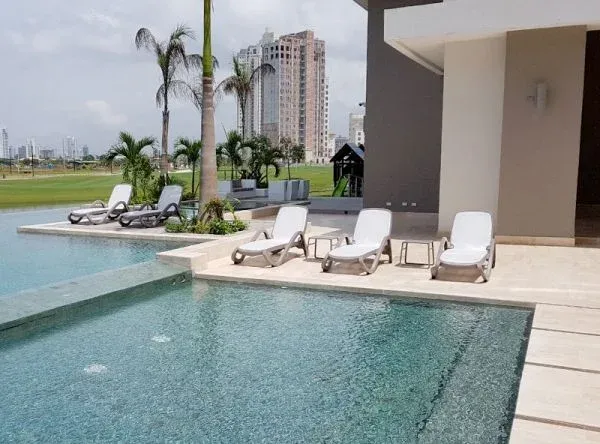
How to judge a lounge before choosing it
A practical comparison can be made with a few observations:
- Water should run off the seat and frame instead of pooling in trays, caps, or hollow parts.
- The frame should feel steady in upright and reclined positions, with secure feet and reliable adjusters.
- Materials should be rated for exterior use, especially where sun and moisture are both present.
- Cushions, if used, should dry reasonably fast and have removable covers.
- Surfaces should be simple to wipe clean without catching dirt in hard to reach joints.
The best fit is usually a balance. A lounge with excellent drainage but no padding may suit a busy pool deck. A cushioned chaise lounge may be preferred where comfort is the priority and cushions can be stored or dried between uses. Resin furniture often works well in this setting because it pairs water resistance with simple upkeep, provided the material and construction are made for outdoor conditions.
Wet area furniture earns its place by drying, draining, staying steady, and surviving sun. When those basics are present, the lounge feels less like something that merely sits beside the water and more like a piece that belongs there.